Composition and perspective
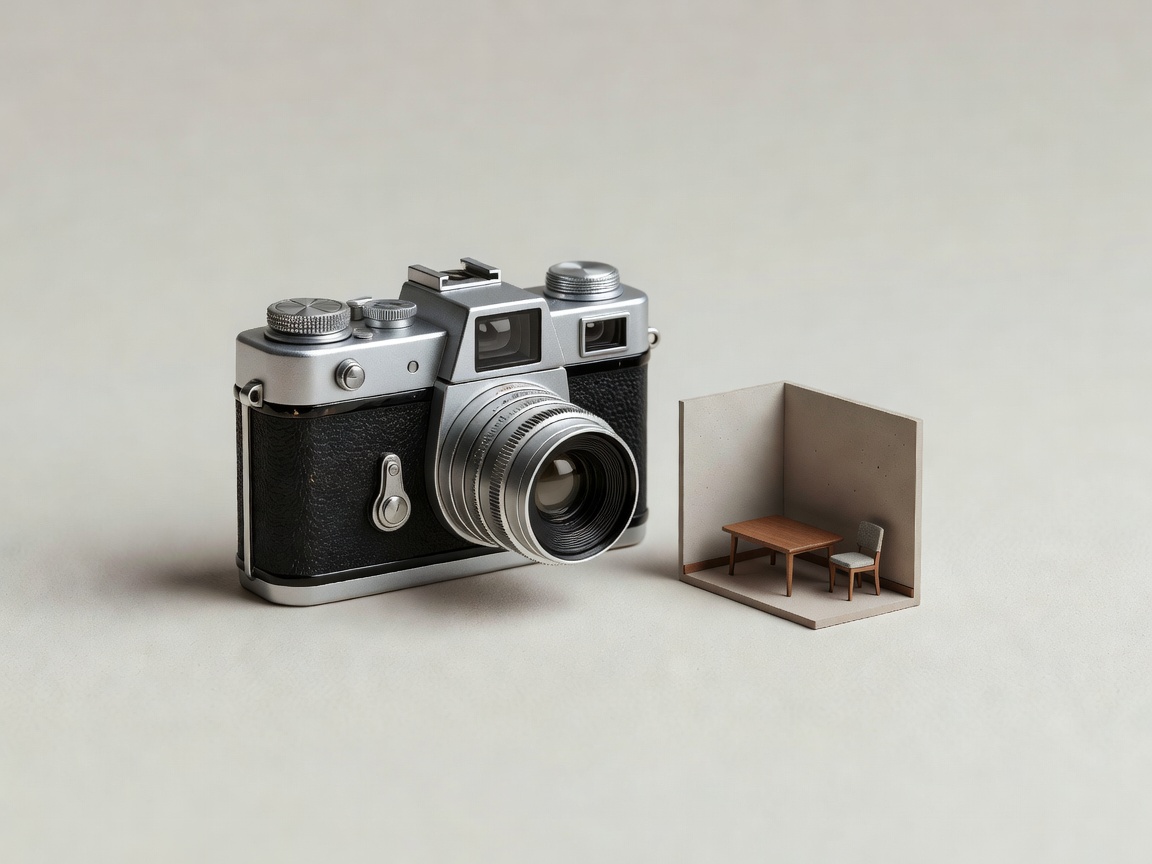
Frame for a clear visual hierarchy. Camera height, lens choice and distance influence how depth and scale are perceived, so assess them together rather than as isolated decisions.
Camera craft · Shot design
The audience experiences the effect through the finished image. A considered camera plan connects miniature scale, composition, timing and continuity to the production’s visual intent.
A practical planning sequence
Agree the story purpose, intended viewpoint and essential visual information.
Check composition, scale cues, sightlines and how the set reads from camera.
Arrange a controlled camera and lighting review with the responsible departments.
Follow production approval and safety checks before any planned take.
Frame for a clear visual hierarchy. Camera height, lens choice and distance influence how depth and scale are perceived, so assess them together rather than as isolated decisions.
Coordinate lighting with the environment and the intended mood. Record relevant camera and lighting references so successive shots can be reviewed for visual continuity.
Discuss pacing and the information each shot must communicate with the director and editorial team. Clarity of purpose makes planning more efficient and supports consistent coverage.
Use the production’s approved access, communication and review process. Only authorised crew should be present in designated work areas, following the responsible department’s instructions.
Some cookies are needed for the site to work. Others help us understand how it is used. You can change your choice later. Read more